Gumbo: A Romantic Serif Font for Handmade Labels and Product Designs
If you have been searching for a typeface that combines the warmth of handwritten lettering with the polish of a serif font, Gumbo is worth a close look. As a small shop owner who creates physical products, I know how much the right font can elevate a simple label, a greeting card, or a product tag. Gumbo brings a romantic, personal touch that feels both crafted and refined. It has quickly become a favorite in my studio for projects that need to feel heartfelt without losing readability or commercial appeal.
What Makes Gumbo Stand Out in a Crowd of Serif Fonts
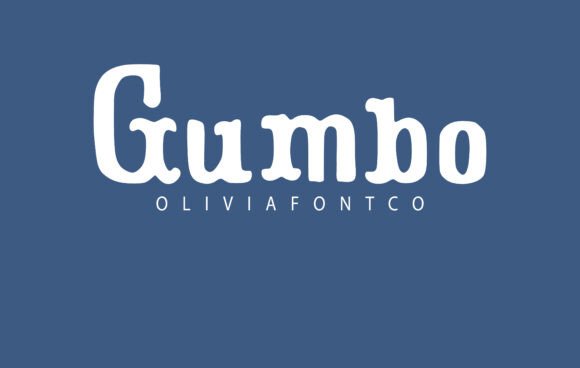
Gumbo is described as an authentic handwritten font with a romantic touch. Even though it sits in the serif category, its letterforms carry a natural, hand-drawn quality that sets it apart from more rigid serif typefaces. The strokes feel fluid and human, with slight variations that mimic the pressure of a real pen. This makes Gumbo ideal for projects where you want to convey emotion, care, and a sense of personal connection.
The romantic vibe is evident in the gentle curves of the lowercase letters and the elegant terminals on certain characters. It is not overly ornate, which is a huge advantage if you sell to customers who appreciate subtle charm over flashy design. Gumbo manages to be both decorative and grounded, a balance that is hard to find in many display fonts.
Understanding the Visual Personality of Gumbo
Gumbo feels warm, approachable, and slightly nostalgic. It has the look of something written by hand, but with the consistency and structure you expect from a professional serif font. The x-height is generous, which helps with readability even at smaller sizes. The contrast between thick and thin strokes is moderate, giving it a soft, inviting rhythm. For crafters who work with paper, stickers, or fabric, this font translates beautifully across different materials.
Because it is a serif font with handwritten qualities, Gumbo works especially well for short phrases, names, dates, and titles. I have found it shines on product labels, wedding invitation headers, and anything that needs a personal, love-filled feel. It is not a font you would use for long paragraphs of body text, but for the focal points of your design, it delivers impact.
Practical Craft Applications for Gumbo
When I first downloaded Gumbo, I tested it on several product ideas I had in mind for my shop. One of the first projects was a set of candle labels. The romantic handwritten look paired perfectly with the soft, earthy colors I use for my soy candles. The font remained clear even when printed at a small size on kraft paper, which is a common challenge with overly decorative fonts. Gumbo held up beautifully, keeping each letter distinct without sacrificing its hand-drawn charm.
Another win was for birthday invitations. I designed a simple card with a watercolor floral accent and used Gumbo for the guest's name and the event details. The client loved how the font made the invitation feel personal, as if I had hand-lettered it myself. That is the kind of reaction you want when you sell printables or stationery — customers want that handmade look but with the reliability of a digital product.
Using Gumbo for Stickers, Labels, and Packaging
Stickers are a staple in my product line, and Gumbo has become a go-to choice for word art stickers and product labels. For small stickers, such as thank-you tags or ingredient labels, I recommend keeping the text size above 12 points to maintain legibility. The open counters and balanced letterforms help prevent ink from bleeding together, especially if you print on matte or textured paper.
For packaging, Gumbo adds a touch of romance that works well for boutique items, wedding favors, and gift tags. I used it recently on a set of tote bags I screen-printed for a local market. The font transferred cleanly onto fabric, maintaining its character even after washing. That durability is a bonus for anyone making merchandise like shirts, aprons, or canvas pouches.
Seasonal craft designs also benefit from Gumbo's style. For Valentine's Day, I created a series of printable wall art pieces with romantic quotes, and Gumbo was the main typeface. The font instantly set the mood without needing extra flourish. For fall and winter holidays, it pairs nicely with rustic imagery — think farmhouse signs, chalkboard-style printables, and festive product tags.
Readability in Cutting Machines and Mockups
If you use Cricut or Silhouette machines for vinyl projects, you will be pleased with how Gumbo cuts. The serifs are not overly thin or delicate, so they do not cause weeding nightmares. I tested it on a 10-inch farmhouse sign for a friend's wedding welcome board. The font was easy to weed and applied smoothly to the painted wood surface. The final result looked like hand-painted lettering, which is exactly the aesthetic many customers request.
For mockup previews, Gumbo renders well in both raster and vector formats. Because it is a serif font with a handwritten personality, it appears natural in lifestyle photos. You can place it on a mockup of a candle label, a greeting card, or a tote bag, and it will look realistic. That authenticity helps when you are trying to sell your products online — customers can immediately envision how the final item will look.
Pairing Gumbo with Other Fonts for Cohesive Branding
No font works entirely alone, and Gumbo pairs wonderfully with a clean, neutral sans serif. This combination lets the romantic handwritten element stand out while the sans serif handles secondary information like addresses, prices, or disclaimers. For example, on a wedding invitation suite, use Gumbo for the couple's names and the main heading, then set the date, venue, and reception details in a simple sans serif like Montserrat or Open Sans. The contrast keeps the design balanced and easy to read.
If you prefer a more classic look, pairing Gumbo with a simple serif font such as Georgia or Lora can work nicely for longer text blocks. Use Gumbo for the display lines and the secondary serif for body copy. This approach maintains the romantic feel throughout while ensuring readability for smaller text.
For product labels, I often combine Gumbo with a handwritten script or a modern calligraphy font for the product name, and then use Gumbo for the scent or ingredient description. The two handwritten styles complement each other without competing, as long as you keep the script font simpler (avoid overly flourished characters).
When I design for a brand that needs a cohesive look across multiple products, I create a font palette that includes Gumbo as the primary serif font and a standard sans serif as the workhorse. This gives the brand a consistent, recognizable voice. Customers start to associate that romantic handcrafted feeling with your products, which builds trust and recognition over time.
Checking What Comes with the Font
Before you invest time in a font, it is smart to check the included features. Gumbo may come with ligatures, alternate characters, and swashes that extend the design possibilities. Look for standard ligatures that improve the flow of common letter pairs, and stylistic alternates that let you vary the look of certain letters. These extras are especially useful for logo design, social media graphics, and headings where you want a unique touch.
Multilingual support is another practical consideration. If you have customers who use accented characters, make sure Gumbo covers those glyphs. This broadens your market and lets you create products for international clients without having to switch fonts.
File formats matter too. Most fonts come in OTF and TTF versions. OTF is generally preferred for its advanced typographic features, but TTF works well for most cutting machine software and home printers. Having both gives you flexibility across different design platforms, from Adobe Illustrator to Canva to Cricut Design Space.
A Practical Note on Commercial Licensing
Since you are likely selling physical products, digital downloads, or client work, you need to understand the commercial license for Gumbo. Many fonts require you to purchase a separate commercial license if you plan to use them for profit. This includes selling products like printed cards, apparel, tote bags, stickers, templates, and SVG designs. Even if you are a small seller, respecting font licensing protects your business and the work of the type designer. Always read the license terms carefully. Some licenses cover both physical and digital products, while others limit the number of sales or require a broader license for extensive commercial use.
In my own shop, I make sure to only use fonts for which I have the proper license. It gives me peace of mind and ensures that my customers receive original, legally produced items. When you invest in premium fonts like Gumbo, you are investing in the quality and professionalism of your brand.
Final Encouragement for Creators
Gumbo is a serif font that thinks it is a handwritten one, and that is its superpower. It allows you to bring a romantic, handmade feel to projects without sacrificing the consistency and readability that commercial products demand. Whether you are designing candle labels, wedding invitations, farmhouse signs, or seasonal printables, Gumbo adds a layer of emotional appeal that customers instantly recognize.
Try it on your next product prototype. Print it on kraft paper, cut it on vinyl, or use it in a digital mockup. You will likely see what I did — this font takes creative ideas to a higher level while keeping your production practical and profitable.